
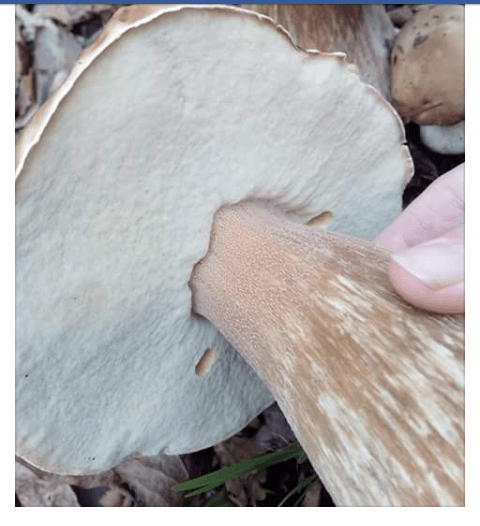
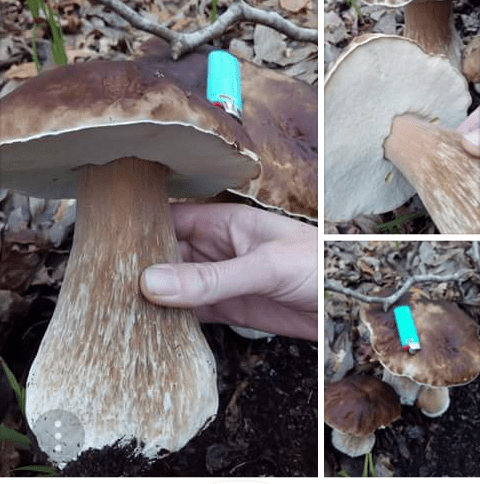
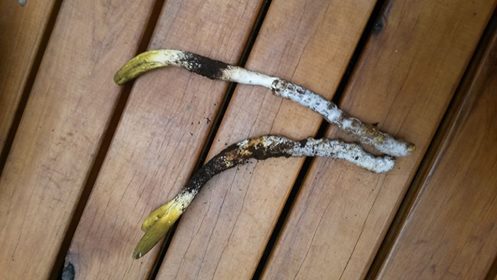
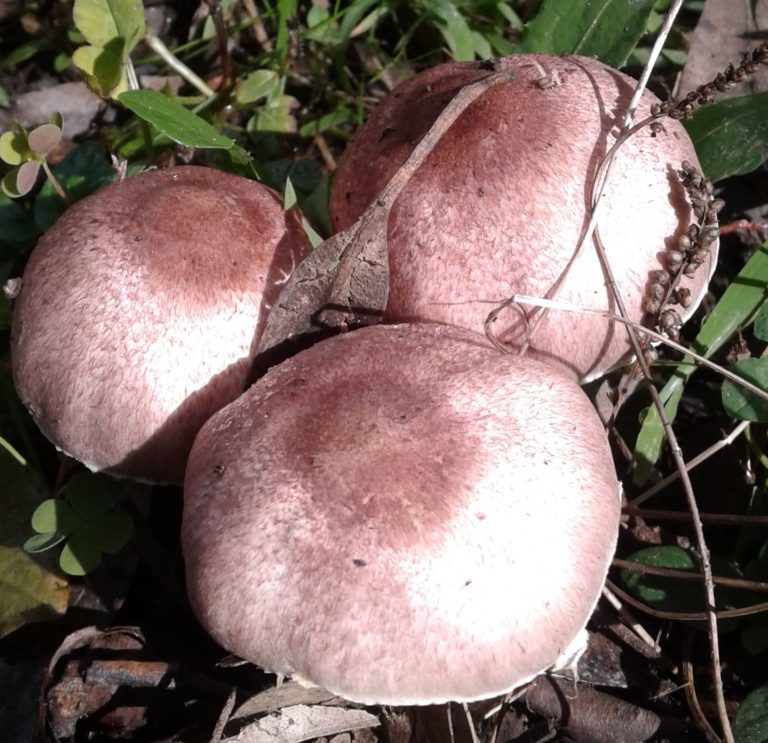
When I was chatting to a mother at school drop off about mushrooms I never suspected that one of the mushrooms she was mentioning to me would turn out to be Boletus edulis – the much coveted Porcini mushroom! But photos demonstrating heavily reticulated stout stipes on obvious boletes growing under Oak were highly suggestive of the species and after looking at specimens first hand including one still attached to the ground I can confirm that Porcini do indeed grow at the Big Moon Harvest Farm in Cockatoo in the Dandenong Ranges.
With the age of some of the established oaks throughout the Dandenongs at locations like Emerald, The Patch, Olinda and Ferny Creek I guess it is no surprise that perhaps dormant mycorrhizal passengers lurked on their root systems. Rumours of porcini in the past in Victoria have floated around – the high country, Macedon (where a specimen was sent to the Royal Botanical Gardens for DNA) and a few other locations but there is a difference between rumours and actually seeing parts of one in the flesh.
We have dried fragments of one of these specimens that will be sent for DNA extraction and sequencing and will have the .aps file available if anyone is interested once we received the results.
Thanks to Myles O’Dwyer and Sarah Weatherley for these amazing photos and this amazing development. Keep an eye on your local Oaks!
Frequently Asked Questions
Boletus edulis (Porcini) has been confirmed growing under Oak and Chestnut trees in the Dandenong Ranges, particularly around Cockatoo, Kallista, Olinda, Monbulk and The Patch. They are mycorrhizal, meaning they grow in association with specific tree species – primarily established Oaks and Chestnuts in Victoria.
Porcini (Boletus edulis) typically appear in autumn, from late March through to June in Victoria. As boletes, they generally prefer warmer soil temperatures compared to other wild mushrooms, so they tend to be among the earlier species to appear in the season.
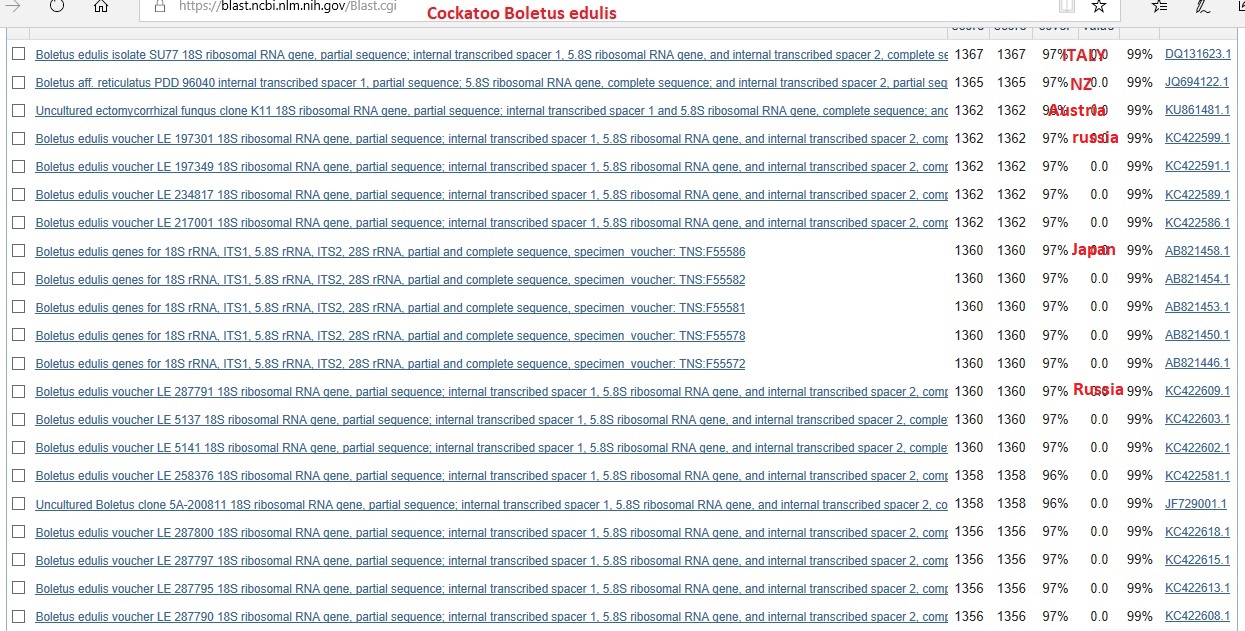
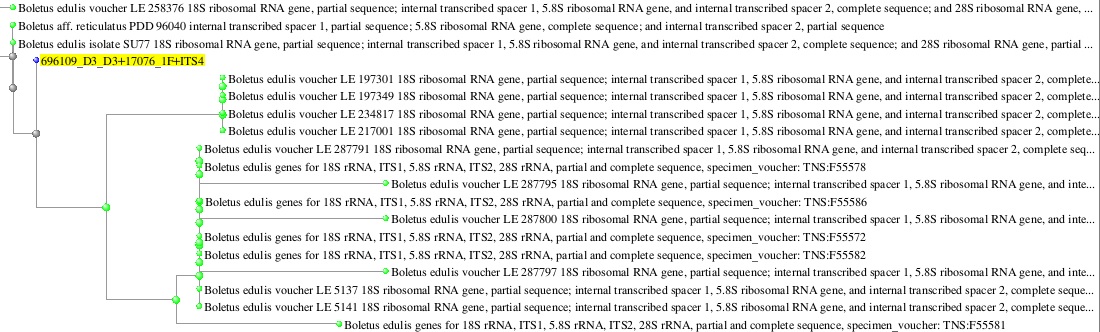
Key identification features include a heavily reticulated (net-patterned) stout stipe (stem), a brown cap, white pores that turn yellowish-green with age, and white flesh that does not change colour when cut. They grow under Oak and Chestnut trees. DNA sequencing is the most reliable confirmation method – our specimens matched 100% to Boletus edulis type sequences on GenBank.
Yes. DNA extraction and sequencing confirmed that Victorian specimens are 100% Boletus edulis – the same species prized in Europe. They were likely introduced as mycorrhizal passengers on imported Oak and Chestnut trees planted throughout the Dandenong Ranges decades ago.
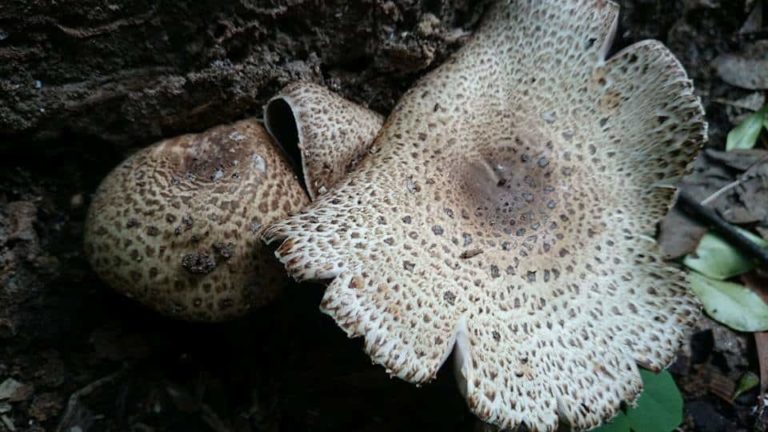
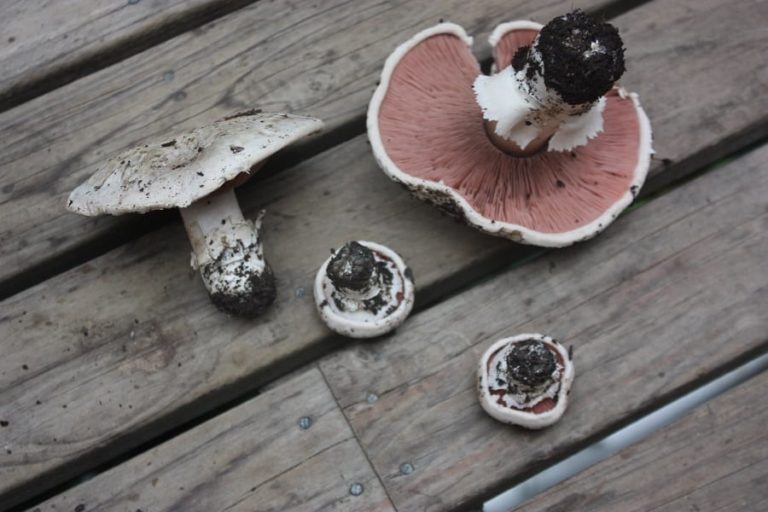
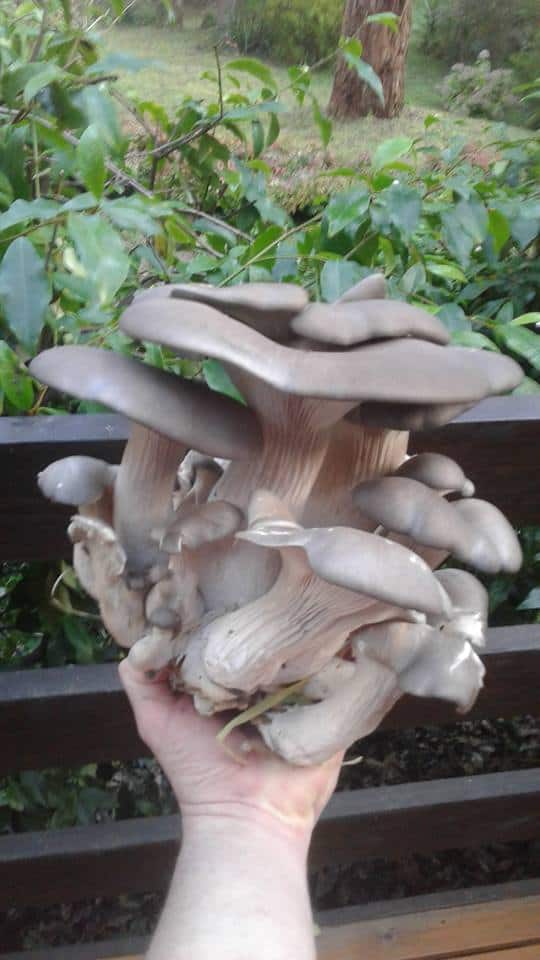
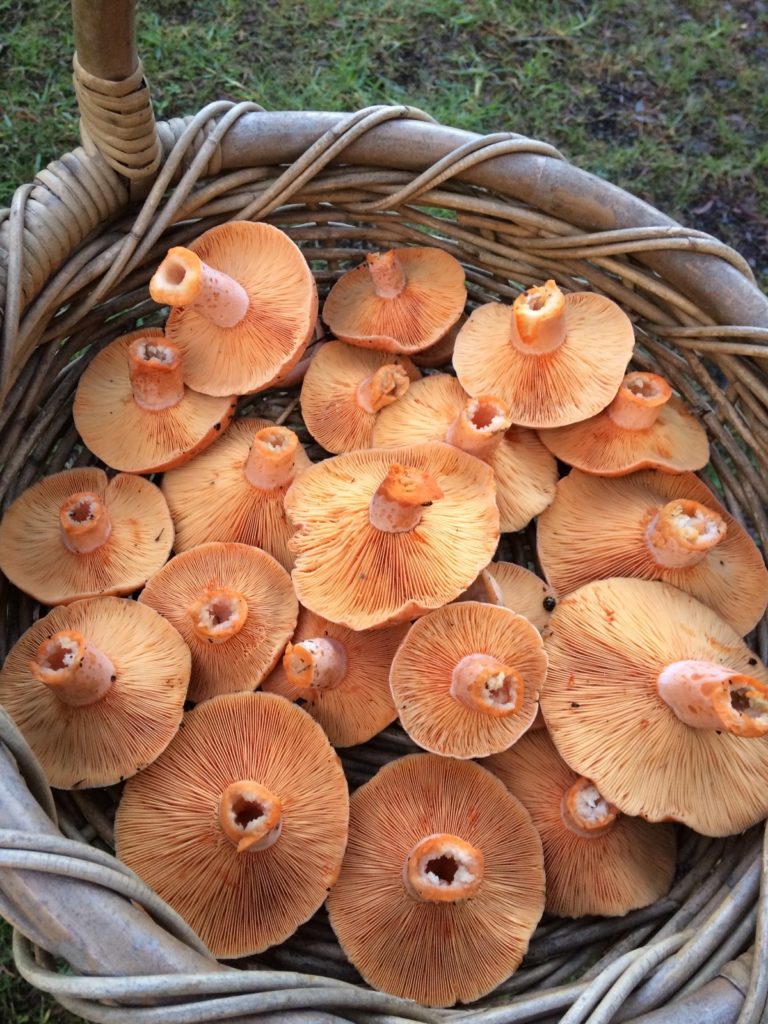
Wow.
I just noticed.
What a beauty.
I guess the best thing one can do is to dig up small oak trees with decent amount of soil with it still attached to the rooting system bellow the Oak where the the specimens were found, and transplant them somewhere else.
Also if it is on the private property, the owner can make small garden bed underneath the tree and plant acorns. The small oaks would have high chance of mycorrhizal bond with porcini.
Great news Cockatoo.
You will have a special place on the map.
Yes its Cockatoo’s latest claim to fame.
I have a big old oak tree! Is it possible to inoculate the soil beneath it with boletus edulis? Where would I obtain the spores or spawn?
Unfortunately not that easy. You could try with a spore print maybe but its hit and miss. We don’t have any spore prints at the moment for this species.
I believe they’ve been popping up down on the Peninsula the last few years.